The Formulation
Process.
Every Otaleven product passes through a documented six-stage process from ingredient selection to batch release. Each stage generates a record entry. Nothing proceeds without a confirmed prior step.
Stages
Ingredients
Verified
From Ingredient
Selection to Release.
Research-Based Selection
Ingredient selection begins with a review of published nutritional research for adult men. Each candidate ingredient is assessed for its documented nutritional role, established concentration guidance, and compatibility within the planned formulation ratio. Only ingredients with a clear published rationale enter the formulation record.
Supplier Qualification
Each ingredient is sourced from a supplier with documented chain-of-custody. Supplier qualification requires the submission of a facility profile, a processing-standard declaration, and a certificate of composition for the specific material lot under consideration. Suppliers whose documentation is incomplete are not engaged. The qualification record is retained for every active supplier.
Formulation Record
The formulation record is a controlled document that specifies, for each ingredient, the target concentration per daily serving, the permitted tolerance range, the form of the ingredient, and the capsule shell specification. The formulation record is version-controlled. Any change to a concentration target requires a formal revision entry with a stated rationale. The current revision governs all active production batches.
Production Batch
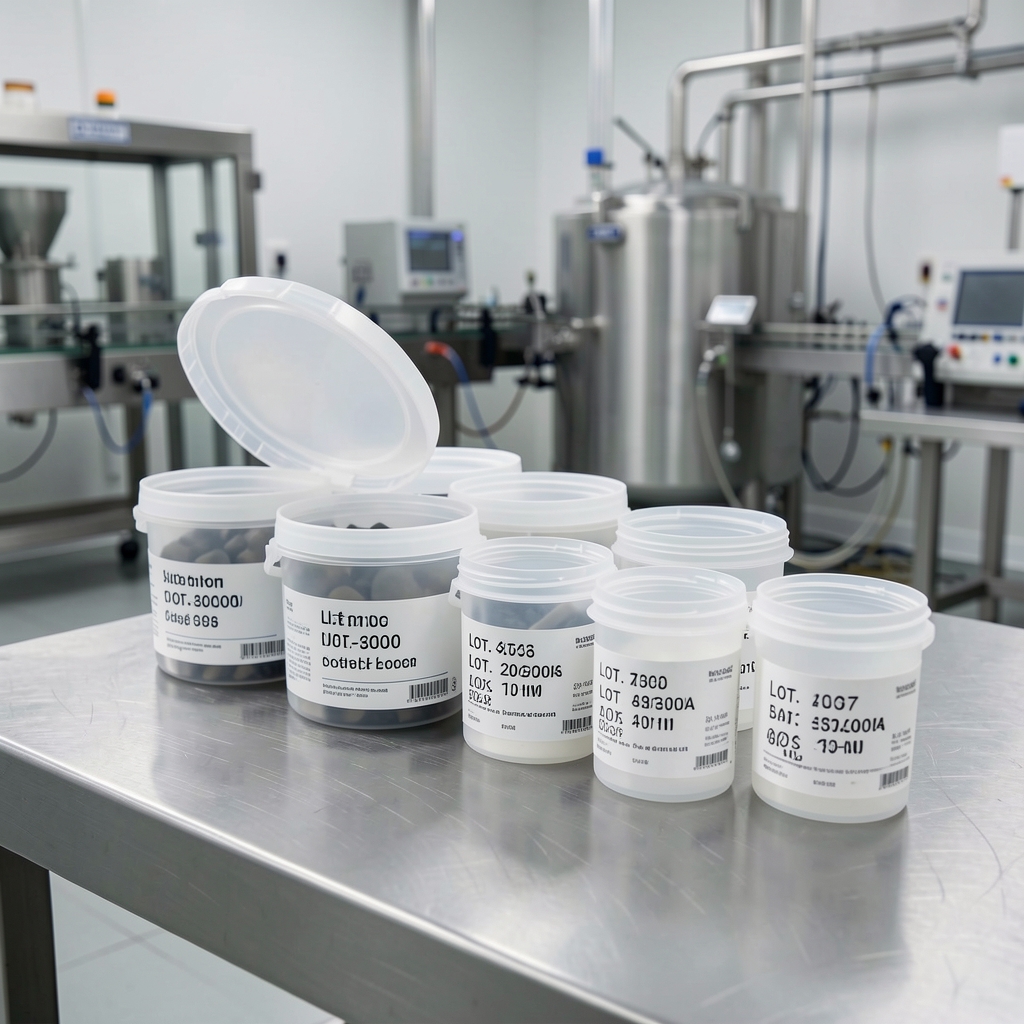
Production batches are assembled according to the current formulation record. Each batch receives a unique lot code at the point of assembly. The lot record captures the ingredient sources used, the date of production, the responsible production operator, and the target vs. measured weight per serving. The lot record travels with the batch through all subsequent stages.
Independent Laboratory Analysis
A sample from each production batch is submitted to an independent laboratory for elemental concentration analysis. The analysis report confirms whether measured concentrations fall within the tolerances specified in the formulation record. Batches with out-of-tolerance results are held and reviewed before any release decision is made. The analysis report is archived against the lot record.
Batch Release
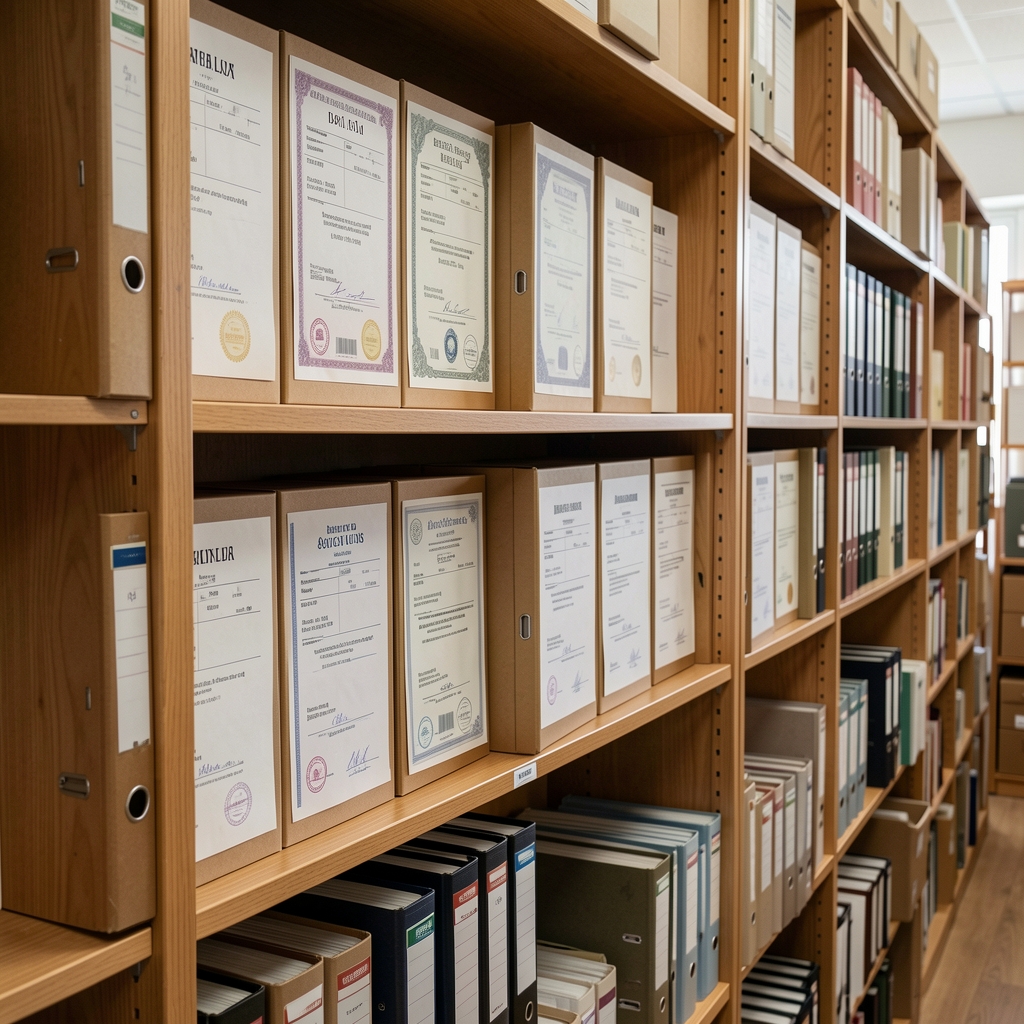
Release authorisation is issued once the lot record and analysis report confirm compliance with the formulation record. The authorisation is a dated, signed entry in the batch archive. Only after authorisation is a batch transferred to dispatch inventory. The lot code on every consumer unit links back to the complete archive: formulation record revision, supplier documents, analysis report, and release entry.
Supplier Overview
& Regional Sourcing.
Otaleven's active ingredient suppliers are drawn from a qualified register. Each supplier on the register has submitted documentation covering facility standards, chain-of-custody procedures, and material traceability. The register is reviewed annually and updated whenever a new supplier is engaged or an existing supplier undergoes a material change.
Active ingredients are sourced from documented suppliers, with each batch accompanied by a certificate of composition. Sourcing prioritises suppliers whose facilities maintain food-grade processing standards. Regional sourcing from Southeast Asian suppliers is prioritised where equivalent documentation standards can be confirmed — shorter supply chains reduce transit risk and simplify chain-of-custody tracking.
Where a specific ingredient form is not available from a qualified regional supplier, international sourcing is used. In all cases, the same documentation requirements apply: a facility declaration, a material-specific certificate of composition, and a transport chain record from facility to the Otaleven Jakarta intake point.
Certificate of Composition
Every material intake is accompanied by a certificate of composition from the originating supplier. The certificate records the elemental profile, lot identifier, and the date of issue.
Transit Chain Record
Each material intake includes a transit chain record from the originating facility to the Jakarta intake point. Cold-chain materials carry continuous temperature log data.
Annual Supplier Review
The qualified supplier register undergoes formal review once per calendar year. Any supplier that cannot produce updated documentation for the review period is placed on hold until compliance is restored.
Regional Priority
Southeast Asian suppliers meeting the documentation standard are preferred. Regional sourcing reduces transit complexity and shortens the chain-of-custody trail that must be maintained for each material.
Verification Standards
at a Glance.
Elemental Analysis
Inductively coupled plasma analysis is used by the independent laboratory to determine the elemental concentration of each sample. Results are compared directly against formulation record tolerances.
Lot Coding
Every production batch is assigned a unique lot code at assembly. The code links to the full documentation set and is printed on the consumer unit for post-market traceability.
Chain of Custody
An unbroken documentary chain exists from supplier facility to consumer unit for every material in every batch. No gap in the custody chain is accepted as complete.
Archive Entry
Every batch generates a permanent archive entry at the Jakarta facility: formulation record revision, supplier register snapshot, lot record, analysis report, and release authorisation. The archive is retained for a minimum of five years.
Regulatory Classification
& Labelling Accuracy.
Otaleven products are nutritional food-supplements registered with the applicable local regulatory authority under food-supplement classification. Products meet compositional and labelling requirements for nutritional supplement categories.
Ingredient profiles in Otaleven supplements are selected based on published nutritional research and undergo independent batch verification for quality and labelling accuracy. The declared quantities on every Otaleven label reflect the formulation record and are confirmed by independent analysis prior to batch release.
We recommend speaking with a qualified wellness or nutrition professional before introducing any supplement to your daily routine, particularly if you have specific dietary requirements.
Methodology Q&A.
A sample from the production batch is sent to an independent laboratory — not affiliated with Otaleven — for compositional analysis. The laboratory measures the elemental concentration of the sample and issues a report. The batch is compared against the formulation record tolerances. Batches outside tolerance are held pending review.
The formulation record is updated whenever a concentration target or ingredient form changes. Each update increments the revision number and requires a documented rationale. The current revision governs all active production. No batch enters production against an outdated record revision.
Yes. The lot code on every Otaleven unit connects to the batch archive at the Jakarta facility. The archive entry for that lot contains the formulation record revision, the supplier documents used, the analysis report, and the dated release authorisation. Enquiries about a specific lot can be made via [email protected] with the lot code noted.
Otaleven products are nutritional food-supplements formulated to complement a balanced diet. We recommend speaking with a qualified wellness or nutrition professional before introducing any supplement to your daily routine, particularly if you have specific dietary requirements.
The majority of active ingredient suppliers are based within Southeast Asia. For ingredient forms not available from qualified regional suppliers, international sourcing is used. In all cases the same documentation requirements apply: a facility declaration, a material certificate of composition, and a transit chain record.
A batch with out-of-tolerance results is held pending a formal review. The review examines the lot record for anomalies, the analysis report for potential measurement error, and the ingredient source documents for supplier-side variation. Release is not authorised until the review is complete and a disposition decision is made. Batches found to be genuinely non-conforming are not released for dispatch.